
About our services
What is an Arboricultural Method Statement and Tree Protection Plan?
A Tree Protection Plan (TPP) is a scale drawing showing the trees to be retained, their root protection areas, and exactly where protective fencing and ground protection will go to create a construction exclusion zone around them.
An Arboricultural Method Statement (AMS) is the written document that goes with it. It explains how any work that could affect retained trees will be carried out, and in what order. This includes installing and removing protective fencing, demolition, excavation near trees, no-dig surfacing, routing services, any necessary pruning, and site storage and access. It also sets out who is responsible for what, and whether arboricultural supervision is needed at key stages.
Together, they give the council confidence that retained trees will survive the development, and give contractors clear instructions to follow on site.
01 — Tell us about your project
Send the site address, plans and details of the proposed work
02 — Receive a quotation
We confirm the required service, scope, fee and timescale
03 — Site survey
The site is inspected and relevant tree data recorded
04 — Report & plans
Your arboricultural method statement and Tree Protection Plan are issued
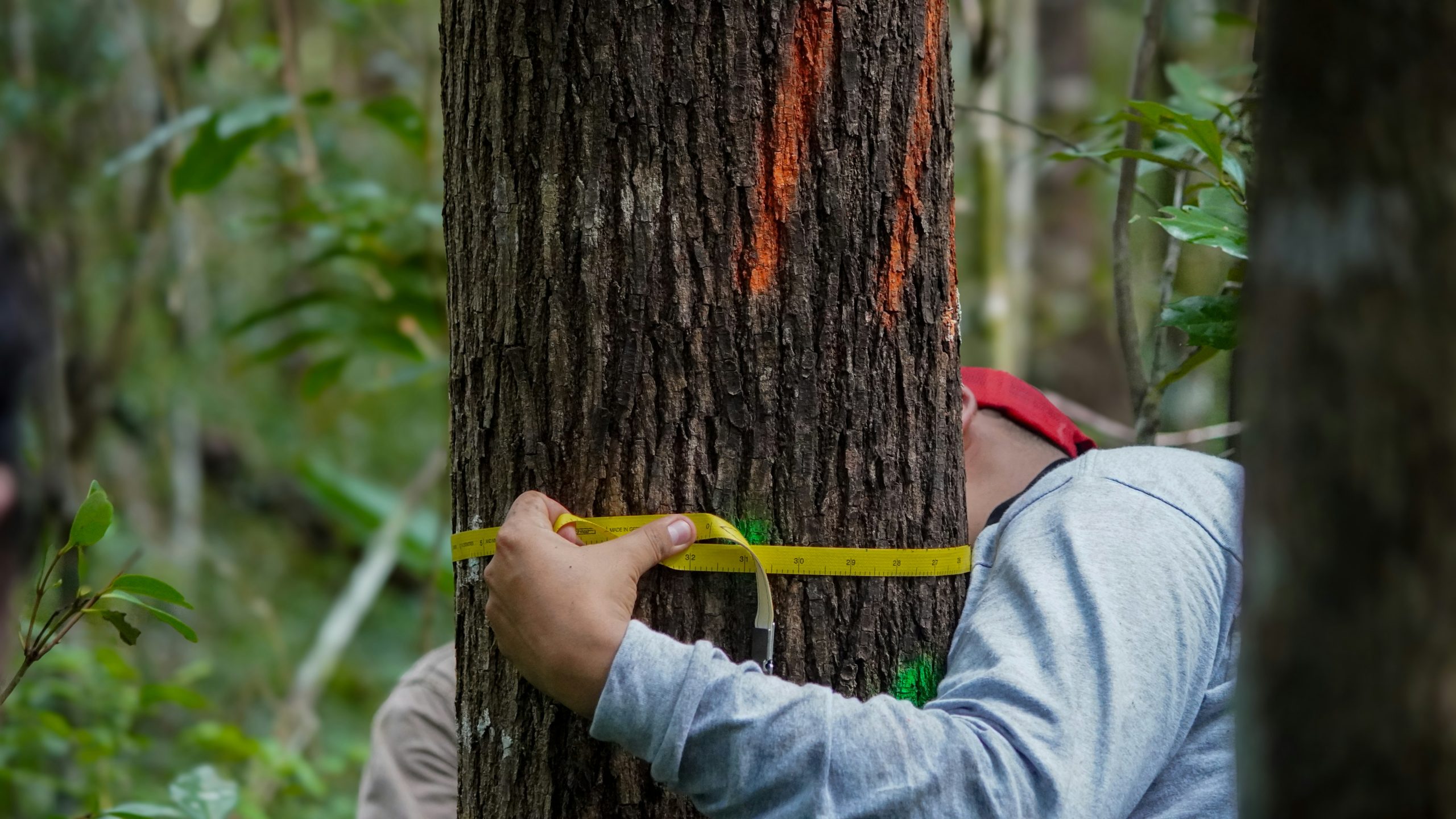
Arboricultural Method Statements & Tree Protection Plans
Clear, practical documents that show how retained trees will be protected before, during and after construction.
– When your local planning authority asks for them as part of a planning application where trees are being retained near the works
– When a planning condition requires a Tree Protection Plan and/or Arboricultural Method Statement to be submitted and approved, often before any work, including demolition or site clearance, starts
– When you want to protect valuable trees during building work, even where planning permission isn’t needed
– A Tree Protection Plan drawn over your proposed layout, showing protective barriers, ground protection and construction exclusion zones
– Specification of protective fencing and ground protection in line with BS 5837:2012
– Site-specific methods for any work within or near root protection areas, such as hand digging, no-dig surfacing, specialist foundations and service routes
– Recommended timing and sequence of tree protection measures
– Any tree works needed to allow development, such as removals or pruning for access and clearance
– Arrangements for arboricultural supervision and monitoring where needed (see Site Supervision & Watching Briefs)
A Tree Protection Plan drawing and a written Arboricultural Method Statement, prepared for submission with a planning application or to discharge a planning condition.
We prepare arboricultural method statements and tree protection plans for sites mainly across Essex and Suffolk, from single plots to larger developments, and we’re happy to attend sites throughout the UK without penalising clients for distance. See the areas we cover.