
Brentwood Borough Council
Trees and planning in Brentwood
The Brentwood Local Plan 2016–2033, adopted in March 2022, protects trees through Policy NE03 (Trees, Woodlands, Hedgerows). Development that would cause the loss or deterioration of ancient woodland or ancient and veteran trees will not be permitted other than in wholly exceptional circumstances, and then only with a suitable compensation strategy.
Elsewhere, proposals should retain trees, woodlands and hedgerows that make a positive contribution to the landscape, biodiversity or amenity, so far as possible and practicable, and compensate for any unavoidable loss. The plan also has a separate policy (NE04) for the Thames Chase Community Forest in the south and south-west of the borough.
That makes an early BS 5837 survey useful even on modest schemes: it shows which trees are worth designing around before the layout is fixed.
01 — Tell us about your project
Send the site address, plans and details of the proposed work
02 — Receive a quotation
We confirm the required service, scope, fee and timescale
03 — Site survey
The site is inspected and relevant tree data recorded
04 — Report & plans
Your report and plans are issued
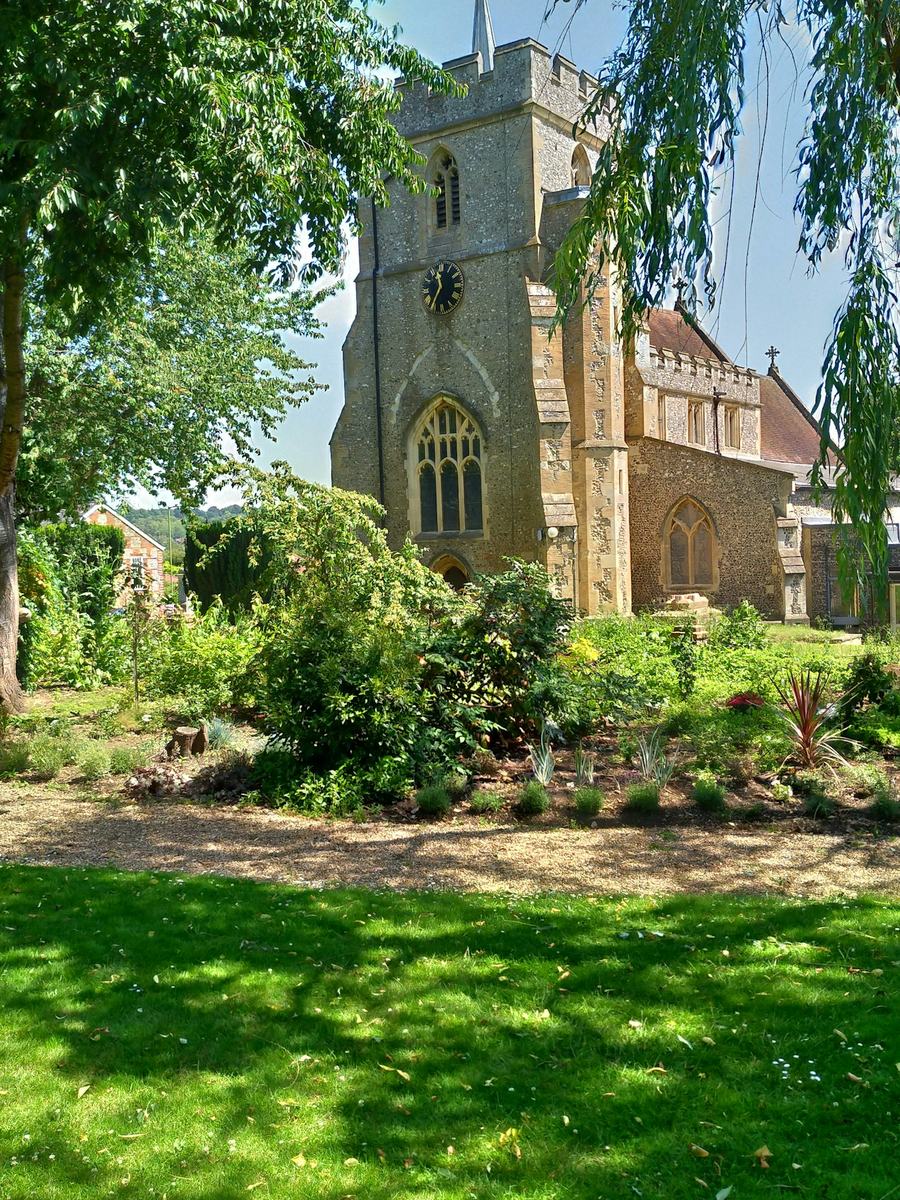
Protected trees
Conservation areas and historic parkland
Brentwood has 13 conservation areas, including Brentwood Town Centre, Ingatestone High Street, Hutton Village and Great Warley. Three of them are historic parks and gardens: Thorndon Park (243 hectares), Weald Park (212 hectares) and Warley Place. Trees in conservation areas are protected even without a Tree Preservation Order.
Brentwood Borough Council publishes an online TPO map. Search for the address and click the location to see any Tree Preservation Order details, or ask us to check as part of your quotation.
For a tree with a stem diameter of 75 mm or more (measured 1.5 m above ground), you must give the council six weeks’ notice before most work. The council’s conservation areas page has an up-to-date map of each area.
The council asks to be told by email at least five working days before work starts on a damaged, dying or dangerous TPO tree, with photographs showing the tree’s condition.
Useful links